Unlocking the Power of Journaling
The Power of Journaling: A Simple Tool for Well-being
Journaling is an incredibly powerful practice that can help anyone looking to improve their mental health and become more in tune with their own thoughts and feelings. This activity is as simple as writing down your thoughts and emotions, yet its impact on your mental clarity and emotional regulation is profound.
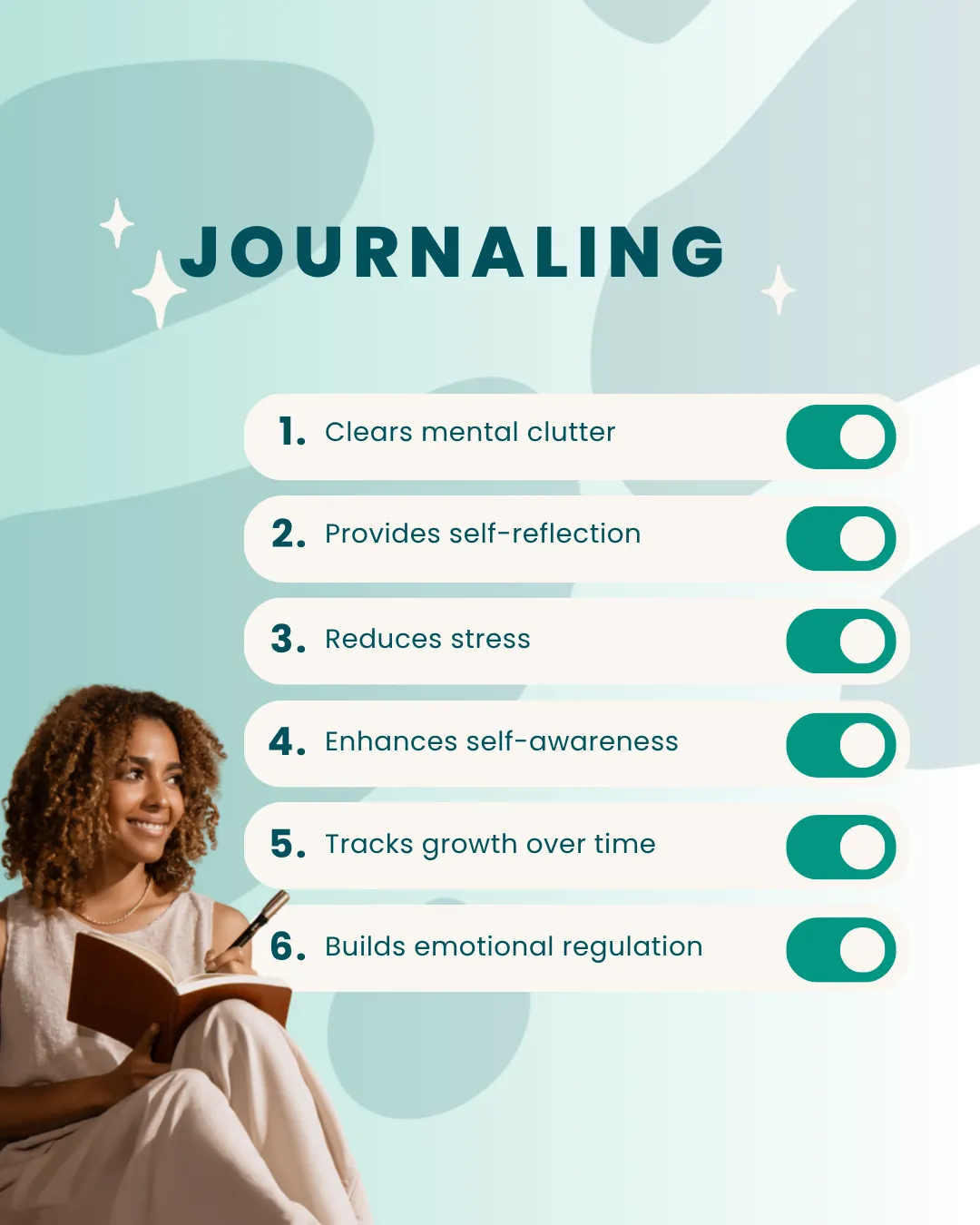
1. Clears Mental Clutter
One of the main benefits of journaling is its ability to clear mental clutter. When thoughts and worries are swirling around in your head, it can be difficult to focus. Writing these thoughts down helps to organize them, making it easier to think clearly. This can improve your overall mental focus and decision-making.
2. Provides Self-Reflection
Journaling allows for valuable self-reflection. Taking the time to write about your day or your feelings encourages introspection. You can analyze your actions and the reasons behind them, providing a deeper understanding of yourself. This process can lead to personal growth over time.
3. Reduces Stress
Another significant benefit of journaling is its ability to reduce stress. By expressing your worries and concerns on paper, you release them from your mind. This can help you feel a sense of relief and can improve your overall mood. Stress reduction can also positively affect your physical health.
4. Enhances Self-Awareness
Journaling increases self-awareness. Writing regularly about your experiences and emotions helps you recognize patterns in your thoughts and behaviors. This awareness can improve your ability to respond to life’s challenges effectively and can enhance your personal relationships.
5. Tracks Growth Over Time
One of the most rewarding aspects of journaling is that it allows you to track your growth over time. By keeping a journal, you have a record of your past thoughts and experiences. Reviewing these entries can highlight how much you've changed and grown, providing motivation to continue striving towards personal goals.
6. Builds Emotional Regulation
Finally, journaling aids in building emotional regulation. By consistently writing about your feelings, you become more skilled at identifying and managing your emotions. This skill is essential for maintaining healthy relationships and enjoying life’s ups and downs with greater resilience.
How to Start Journaling
- Set aside a specific time daily: Consistency helps turn journaling into a habit. A few minutes each day can make a big difference.
- Write freely: Don’t worry about grammar or spelling. Just let your thoughts flow freely onto the page.
- Choose a type that suits you: Whether it’s a digital document or a leather-bound notebook, pick what feels right for you.
- Find a quiet space: A calm environment helps in focusing your thoughts and making the most out of your journaling time.
Journaling is a powerful tool accessible to everyone. By making it a regular part of your routine, you can gain clarity, reduce stress, and achieve personal growth. So grab a pen or your favorite device, and start unlocking the transformative benefits of journaling today.