Understanding Gluten Inflammation Effects
Understanding Gluten Inflammation
In today's world, many people are becoming aware of gluten and its potential effects on the body. For some, consuming gluten can lead to a series of uncomfortable symptoms and adverse health effects, often due to inflammation. In this article, we'll explore what gluten is, its impact on different parts of the body, and how one can manage related symptoms.
What is Gluten?
Gluten is a protein found in grains like wheat, barley, and rye. It helps foods maintain their shape and provides a chewy texture. While harmless to most, some people experience negative effects from consuming gluten, which can lead to inflammation.
Symptoms of Gluten-Related Inflammation
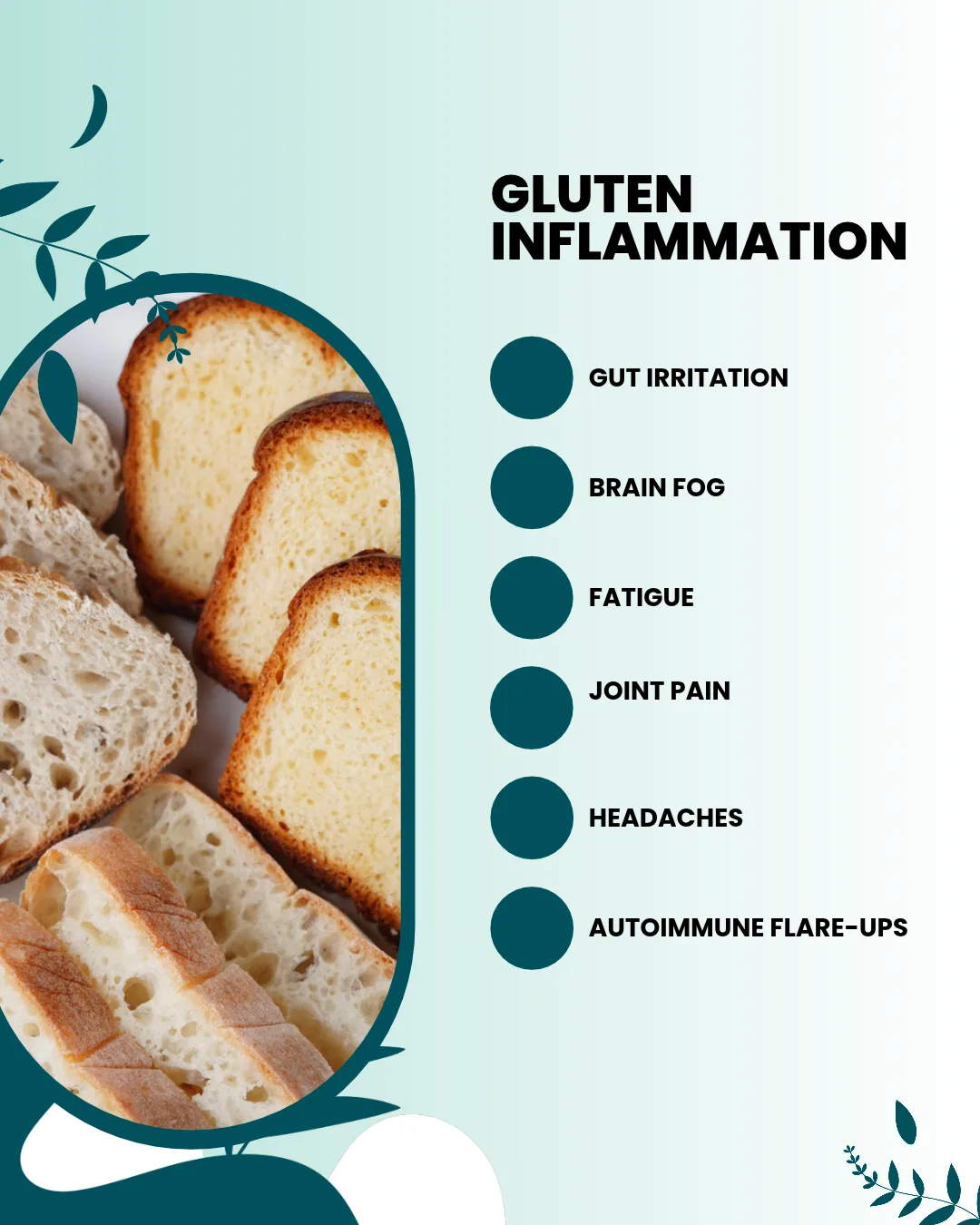
Here's a closer look at some common symptoms:
- Gut Irritation: People experiencing gluten sensitivity may feel bloated or have stomach pains after eating gluten.
- Brain Fog: Gluten can sometimes cause unclear thinking or difficulty focusing.
- Fatigue: Feeling unusually tired after consuming gluten? This could be a sign of sensitivity.
- Joint Pain: Some people report aches and pains in their joints after eating gluten.
- Headaches: Migraine or tension headaches that appear after consuming gluten could be a result of inflammation.
- Autoimmune Flare-Ups: Those with autoimmune conditions might find that gluten causes their symptoms to worsen.
Who is Affected By Gluten Inflammation?
It's important to note that gluten inflammation primarily affects individuals with certain conditions:
- Celiac Disease: An autoimmune disorder where the ingestion of gluten leads to damage in the small intestine.
- Non-Celiac Gluten Sensitivity: People who experience symptoms similar to celiac disease but without the intestinal damage.
- Wheat Allergy: An allergic reaction to proteins found in wheat, one of which is gluten.
Managing Gluten Inflammation
If you suspect gluten is affecting you, consider the following steps:
- Consult a Healthcare Professional: It's crucial to speak to a doctor or dietitian to get a proper diagnosis.
- Gluten-Free Diet: Try eliminating gluten to see if symptoms improve. There are many gluten-free alternatives available today.
- Keep a Food Diary: Track what you eat and any symptoms that arise. This can help identify patterns.
- Read Labels: Learn to read food labels carefully to avoid hidden sources of gluten.
Tips for a Gluten-Free Lifestyle
Adopting a gluten-free lifestyle can be straightforward with a few tips:
- Explore Naturally Gluten-Free Foods: Focus on fruits, vegetables, meats, dairy, and grains like rice and corn.
- Find Support Groups: Connect with those who understand challenges and can provide guidance.
- Experiment with Recipes: Cooking at home allows you to control ingredients and experiment with new, gluten-free recipes.
Conclusion
While gluten doesn't cause issues for everyone, knowing the signs of gluten inflammation is valuable. Being informed allows individuals to make choices that suit their health needs. If you experience symptoms, seeking advice from healthcare professionals can provide clarity and set you on a path to feeling better.