Understanding Gas and Bloating Causes
Understanding Gas and Bloating
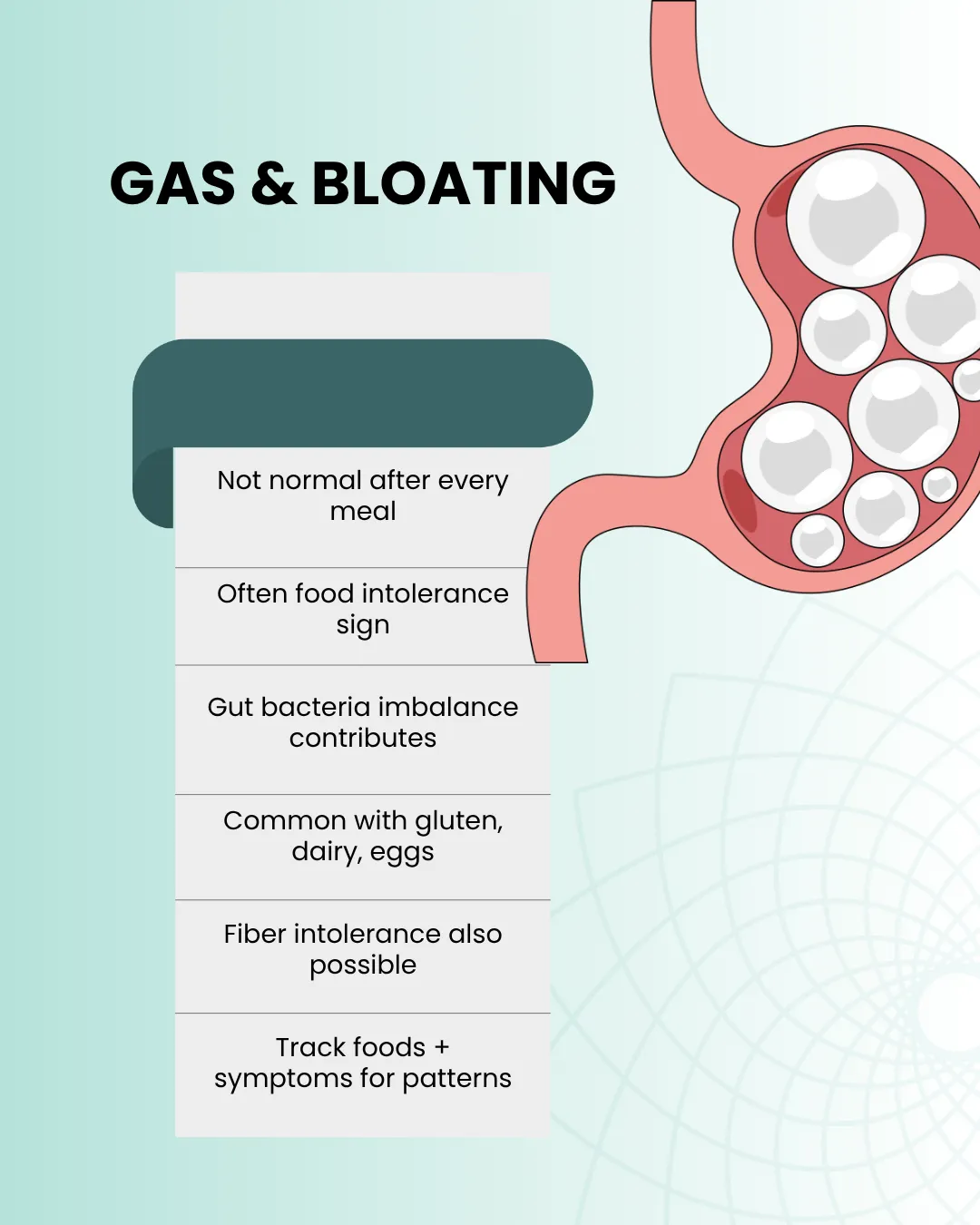
Gas and bloating can be uncomfortable and embarrassing, but understanding their causes can help in managing them effectively. Many people experience these symptoms after eating, and while occasional bloating is normal, experiencing it consistently after every meal might indicate an underlying issue.
What Causes Gas and Bloating?
While gas and bloating might seem like a regular part of digestion, they should not occur frequently. Here are some common reasons why you might be experiencing these symptoms:
- Food Intolerances: If you're regularly bloated after meals, it could be a sign of a food intolerance.
- Gut Bacteria Imbalance: A disruption in the natural balance of gut bacteria can lead to bloating.
- Common Triggers: Foods like gluten, dairy, and eggs are often culprits.
- Fiber Intolerance: Sometimes, even healthy foods high in fiber can cause discomfort.
Identifying Food Intolerances
Food intolerances occur when the body struggles to digest certain foods. When foods aren't digested properly, they can ferment in the gut, leading to gas. This isn't the same as an allergy but can cause significant discomfort. Here are a few steps to identify potential intolerances:
- Track Symptoms: Keep a diary of what you eat and any symptoms you experience. This can help pinpoint problem foods.
- Elimination Diet: Temporarily remove suspected foods from your diet and monitor changes in symptoms.
- Consult a Professional: A healthcare provider can offer guidance and testing to identify intolerances.
Role of Gut Bacteria in Digestion
The gut is home to trillions of bacteria, many of which play a crucial role in digestion. An imbalance in these bacteria can lead to bloating. Here's how you can promote a healthy gut microbiome:
- Eat Fermented Foods: Foods like yogurt, kimchi, and sauerkraut are rich in probiotics.
- Reduce Sugar Intake: High sugar consumption can disrupt gut bacteria balance.
- Stay Hydrated: Drinking plenty of water supports digestion and helps maintain a healthy gut environment.
Common Food Triggers to Consider
Some foods are more likely to cause gas and bloating. Common offenders include:
- Gluten: Found in wheat products, gluten sensitivity can cause bloating.
- Dairy: Lactose intolerance is a widespread issue that leads to gas.
- Eggs: Some people experience digestive issues after consuming eggs.
- High-Fiber Foods: While important for health, excessive fiber can sometimes cause symptoms.
Paying attention to these foods can help you identify what could be affecting your digestion.
Maintaining Digestive Health
Once you've identified potential triggers, there are steps you can take to maintain a healthy digestive system:
- Balanced Diet: Eat various nutrient-dense foods to support digestive health.
- Regular Exercise: Physical activity helps in moving food through the digestive system.
- Mindful Eating: Eating slowly and mindfully can reduce gulping air and aid digestion.
In conclusion, while gas and bloating are common, they shouldn't be dismissed as normal if they occur frequently. By understanding the underlying causes and making lifestyle adjustments, you can improve your digestive health and reduce discomfort.
For those experiencing persistent symptoms, consulting with a healthcare provider for personalized advice is always recommended.