Mastering Health with SMART Goals
Mastering Health with SMART Goals
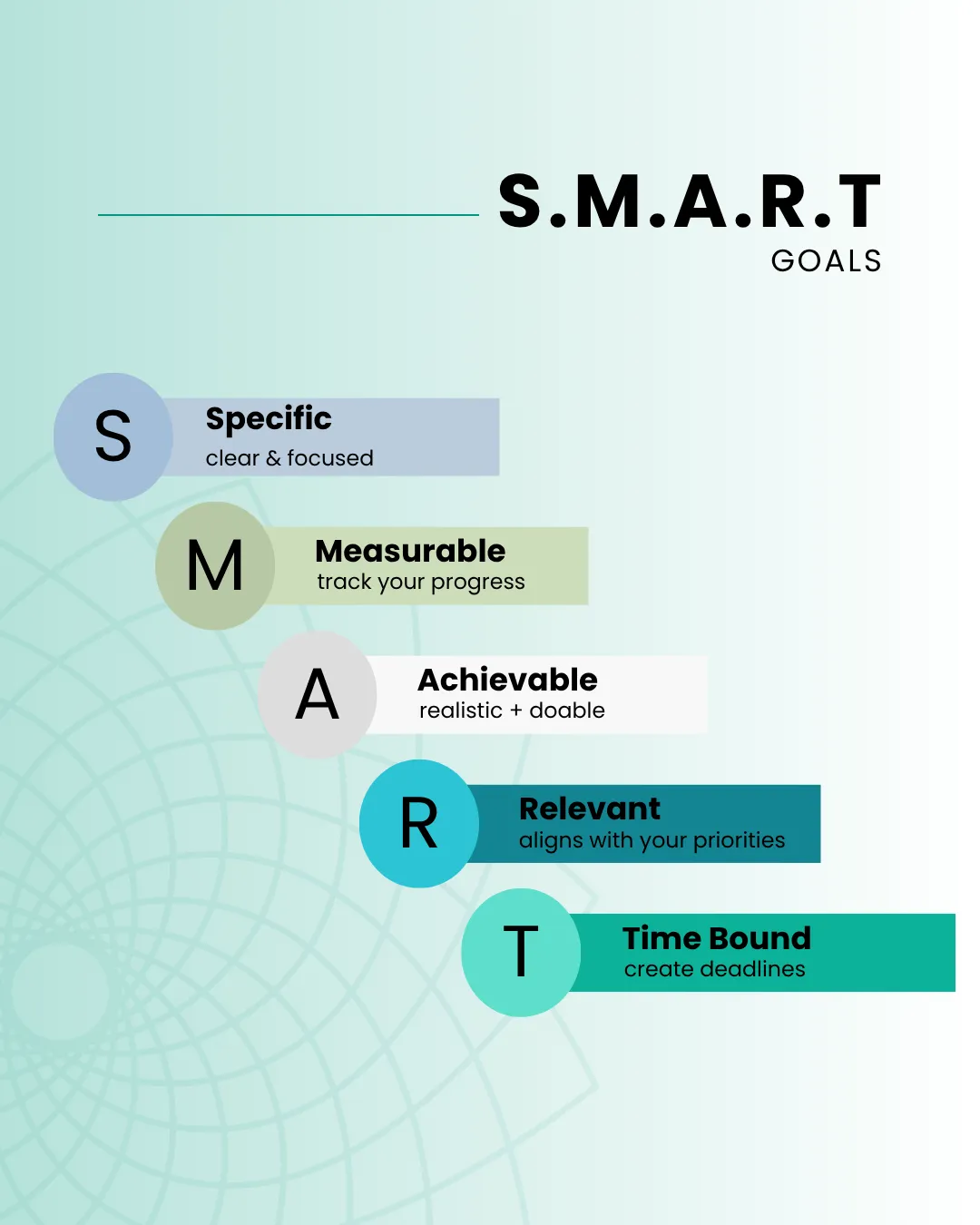
When it comes to improving your health, setting goals is crucial. But not just any goals. We need goals that push us forward while still being realistic and achievable. This is where SMART goals come into play. The acronym SMART stands for Specific, Measurable, Achievable, Relevant, and Time-bound. These principles help to shape goals that are not only effective but also reachable. Let’s dive into each of these components and explore how they can drive us toward better health.
What Are SMART Goals?
SMART goals are structured to give you clarity and direction. They break down your objectives into five key components, ensuring that your goals are well-defined and reachable. Here’s a closer look at each element:
- Specific: Goals should be clear and focused. Instead of saying, “I want to be healthier,” you can say, “I want to exercise three times a week.”
- Measurable: It's vital to track your progress. Measurable goals help you see how far you've come. For example, logging your meals in a food diary can track your eating habits.
- Achievable: Set goals that are realistic and doable. If you aim to run a marathon, start with a realistic running schedule based on your current fitness level.
- Relevant: Goals should align with your overall priorities. If your priority is to have more energy for your children, focus on improving sleep habits.
- Time-bound: Create deadlines to stay motivated. This can be a weekly check-in on your progress.
The Importance of Specificity
Being specific means having a detailed plan. Instead of vague ideas, specificity allows for clear intentions. This increases motivation and engagement. For example, saying, “I will eat two servings of vegetables at lunch” is more actionable than just saying, “Eat healthily.”
Measuring Progress
Measurement is a powerful tool in achieving goals. It allows you to see your improvements and keeps you accountable. For example, if weight loss is your goal, regular weigh-ins and tracking calories can provide the data needed to make informed decisions.
Achieving the Possible
While dreams are big, achieving them is about taking smaller, manageable steps. Setting goals that are too lofty can lead to frustration. Instead, build confidence with achievable milestones that act as stepping stones.
Relevance to Your Life
Your goals should mean something to you personally. Align them with what’s important in your life. This means considering both your commitments and values when setting goals.
Setting Time Frames
Having a timeline creates a sense of urgency. Time-bound goals drive productivity and focus. Whether it’s a short-term or long-term goal, having a deadline keeps you on track.
How to Implement SMART Goals for Better Health
Now that we’ve explored the components of SMART goals, let's see how you can apply these principles in real life:
- Define Your Health Goal: Begin with something meaningful to you such as increasing physical activity or improving diet. Be Specific.
- Create a Plan: Outline how you will achieve this goal. Include clear steps and methods for Measuring progress.
- Check Feasibility: Ensure your plan is Achievable based on current circumstances.
- Align with Priorities: Make sure your goal is Relevant to your life’s priorities.
- Set Deadlines: Connect your goals to Time-bound deadlines to maintain momentum.
Conclusion
SMART goals provide a clear path to attaining a healthier lifestyle by structuring objectives that are clear and precise. Whether you’re aiming to eat better, lose weight, or simply have more energy, SMART goals can guide you to success. Start today by establishing your own health-focused goals using the SMART approach.