Is Your Healthy Diet Actually Hurting You?
Is Your 'Healthy' Diet Actually Hurting You?
When it comes to eating right, many of us believe that foods labeled as 'healthy' are always beneficial. We fill our plates with spinach, almonds, and eggs, thinking these foods are the key to better health. But what if these diet staples could be causing more harm than good?
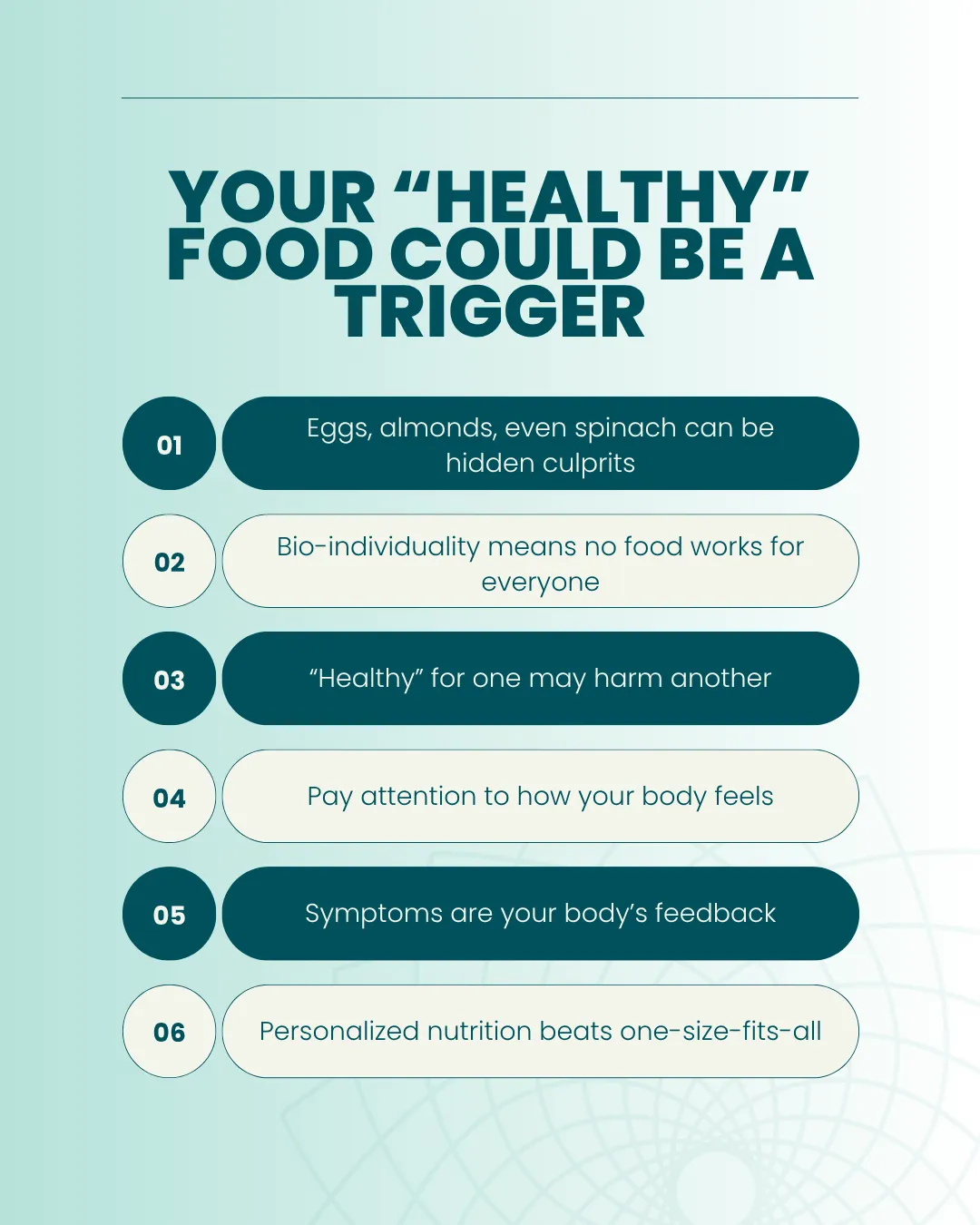
1. The Hidden Culprits in Your Diet
Some foods, although healthy for many, could be hidden culprits in others. Eggs, almonds, and even spinach might trigger reactions that are unique to your body. While these foods are generally nutrient-rich and beneficial, they could be the reason behind unexplained symptoms.
2. Understanding Bio-Individuality
The concept of bio-individuality is simple but powerful: no single food works for everyone. This means your body is unique, and what nourishes one person might not work for another. Our genetic makeup, lifestyle, and environment all influence how we react to different foods.
3. One Person's 'Healthy' Food Can Harm Another
It is essential to recognize that a healthy diet is not one-size-fits-all. While your friend might thrive on a diet rich in almonds, you might not experience the same benefits. In fact, they might cause discomfort for you.
4. Pay Attention to Your Body's Signals
Listening to your body is vital. If you experience symptoms like bloating, fatigue, or skin issues after eating certain foods, it's time to consider that those 'healthy' foods might not be suitable for you.
5. Symptoms as Feedback
Your body uses symptoms as feedback to tell you what works and what doesn't. Rather than ignoring these signs, see them as a guide. They can point towards foods that you might need to eliminate or reduce in your diet.
6. The Benefits of Personalized Nutrition
Instead of following a generic healthy eating plan, consider a personalized nutrition approach. This method focuses on foods tailored to your body's unique needs, making it more effective in achieving optimal health.
Key Steps to Discovering Your Perfect Diet:
- Identify Triggers: Keep a food diary to note any adverse reactions to specific foods.
- Consult a Professional: Work with a nutritionist or dietitian to create a plan that suits your needs.
- Consider Tests: Food sensitivity or allergy tests might provide insights into what your body tolerates.
- Experiment: Try eliminating and reintroducing foods to understand their impact.
- Stay Informed: Continuously educate yourself about how different foods affect health.
In conclusion, the path to better health may require examining your diet more closely and recognizing that even 'healthy' foods might not always be the best choice for everyone. By understanding bio-individuality and opting for personalized nutrition, you can find a diet that truly supports your unique body.