Identify and Respond to Food Reactions
Understanding and Responding to Food Reactions
Our bodies are a complex system of interconnected parts. How we feel—physically and emotionally—often relates back to what we eat. But have you ever stopped to consider how certain foods affect your body? Recognizing and understanding food reactions can be key to maintaining or improving your health.
Why Pay Attention to Food Reactions?
When we eat, our bodies can respond in various ways. Sometimes, these responses are not always positive. By paying attention to the signs our body gives us, we can identify food sensitivities or intolerances we may not have known about. This can help us feel better and live a healthier life.
Common Food Reaction Symptoms
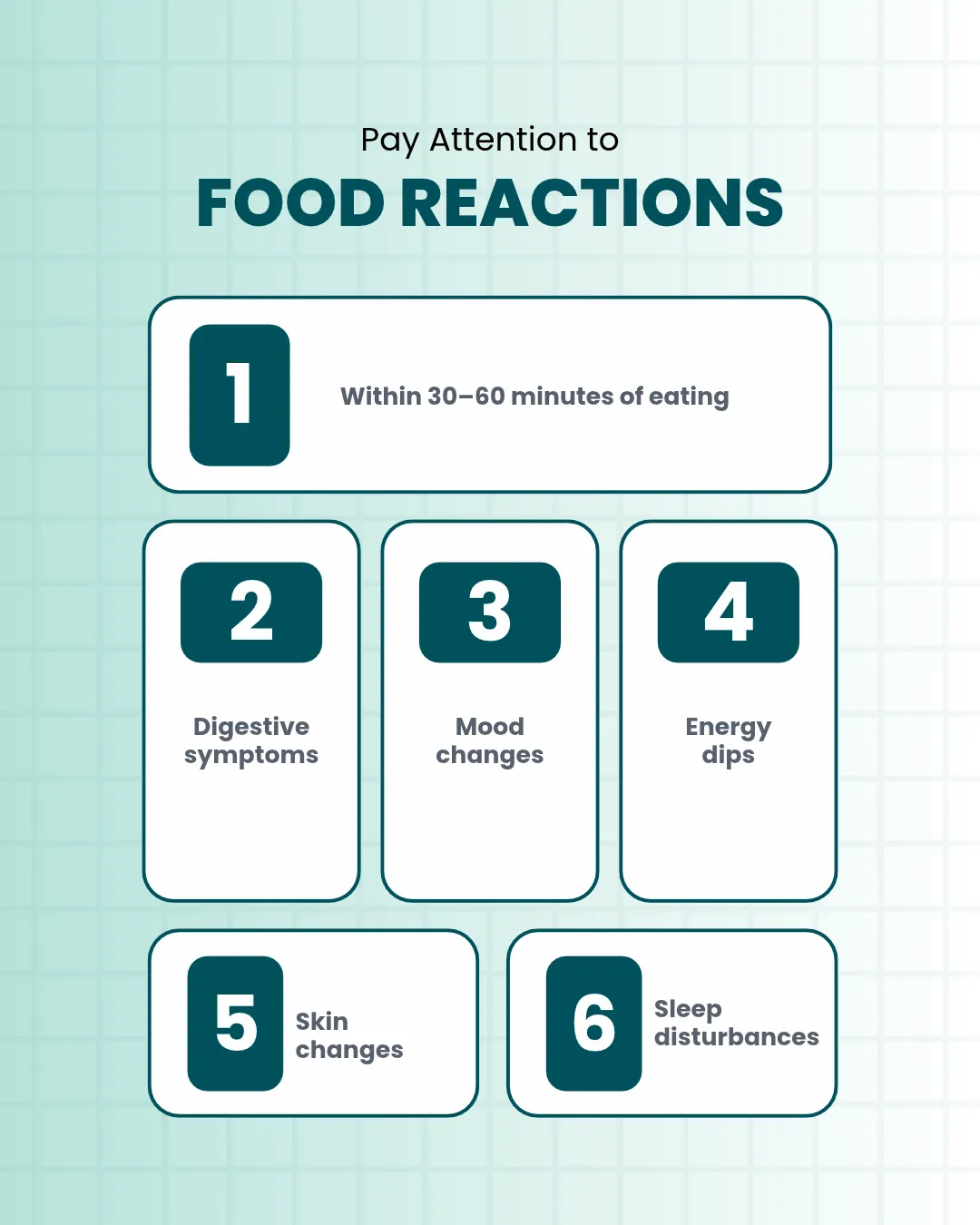
Here are six key signs to watch for:
- Within 30–60 Minutes of Eating: Notice if something feels off shortly after eating. Quick reactions can be one of the first indications that your body is responding to a food item adversely.
- Digestive Symptoms: Keep an eye out for any discomfort such as bloating, gas, or stomach cramps. These symptoms can indicate your digestive system is struggling to process certain foods.
- Mood Changes: Believe it or not, your mood can be affected by what you eat. If you notice sudden shifts in emotions after meals, it could be tied to your food choices.
- Energy Dips: Feeling unusually tired or sluggish? This could mean your body is reacting negatively to certain foods, preventing you from feeling your best.
- Skin Changes: Rashes, hives, or other skin issues can signal that your body does not agree with something you've eaten.
- Sleep Disturbances: Difficulty sleeping or waking up during the night could be linked to dietary choices. It’s worth looking into if sleep issues are a new problem for you.
Steps to Take if You Notice Food Reactions
Once you're aware of these reactions, it's essential to know what steps you can take to improve the situation. Here’s what you can do:
- Keep a Food Diary: Write down everything you eat and any symptoms that follow. This practice can help pinpoint which food might be triggering your reactions.
- Consider an Elimination Diet: By cutting out specific foods from your diet for a few weeks and then gradually reintroducing them, you can confirm if a particular food is the problem.
- Consult a Healthcare Professional: If you're unsure which foods are causing issues, a healthcare provider or nutritionist can provide guidance and support.
- Listen to Your Body: Your body is your best guide. Being mindful and intuitive about what you eat can make a big difference in how you feel.
- Stay Informed: Educate yourself about common food intolerances and sensitivities. The more informed you are, the better choices you can make regarding your diet.
Conclusion
Paying attention to how your body reacts to food is a crucial step in maintaining health and well-being. From digestive issues to mood changes, these signals can guide you towards a diet that helps you feel your best. Don’t ignore what your body is telling you. Take charge of your health by understanding and responding to food reactions.