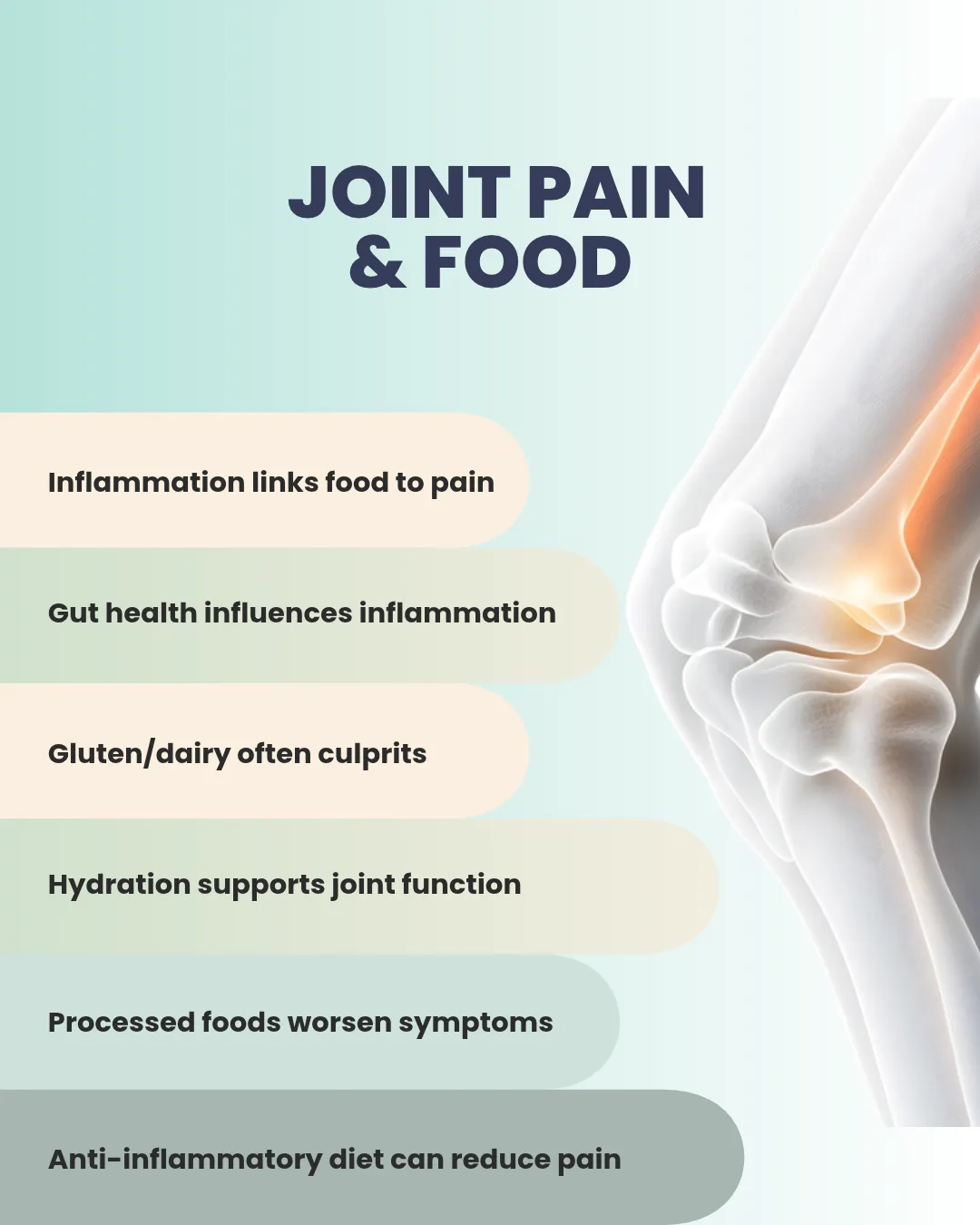
How Diet Affects Joint Pain Relief
Understanding the Connection Between Diet and Joint Pain
Joint pain can be a troublesome issue affecting people of all ages. But did you know that what you eat plays a crucial role in managing this pain? Diet affects our body in many ways, and joint health is no exception. Let's explore how specific foods and eating habits can contribute to or alleviate joint discomfort.
The Role of Inflammation
Inflammation is the body's way of protecting itself. However, when the inflammation becomes chronic, it can lead to ongoing pain, including in the joints.
- Linking Inflammation to Food and Pain: Certain foods can trigger or reduce inflammation in the body. By understanding which foods have these effects, one can manage pain more effectively.
Gut Health and Inflammation
The gut is often referred to as the body's second brain, and its health can significantly influence inflammation.
- Gut Inflammation: When the gut is unhealthy, it can lead to inflammation that spreads to other areas, including the joints.
Common Culprits: Gluten and Dairy
Certain foods are known to exacerbate inflammation for some individuals.
- Gluten and Dairy: For many people, gluten and dairy can lead to increased inflammation and joint pain. Eliminating or reducing these foods might help improve symptoms.
The Importance of Hydration
Water is vital for overall health, including the health of our joints.
- Hydration and Joint Function: Staying hydrated helps maintain the lubrication in joints, reducing pain and stiffness.
Processed Foods and Symptoms
Processed foods are often high in unhealthy fats, sugars, and additives, which can worsen joint pain.
- Why Processed Foods Harm: These foods can increase inflammation, leading to more pain. It's wise to opt for whole, natural foods instead.
Benefits of an Anti-Inflammatory Diet
Adopting an anti-inflammatory diet can significantly reduce joint pain.
- Foods to Include: Incorporating foods like leafy greens, berries, nuts, and fatty fish can help. These foods are rich in nutrients that combat inflammation and promote joint health.
Tips for Relieving Joint Pain Through Diet
- Identify Trigger Foods: Keep a food diary to spot foods that worsen your symptoms.
- Focus on Whole Foods: Choose fresh fruits, vegetables, lean meats, and whole grains.
- Stay Hydrated: Aim to drink at least eight glasses of water daily to keep joints lubricated.
- Avoid Processed Foods: Reduce or eliminate packaged and fast foods from your diet.
- Consider Supplements: Some supplements, like omega-3 fatty acids, can help reduce inflammation.
Conclusion
Joint pain doesn't have to be a constant part of life. By paying attention to your diet, you can significantly impact your pain levels and overall joint health. Simple changes such as focusing on hydration, reducing processed and inflammatory foods, and including anti-inflammatory foods can make a big difference. Remember, small steps can lead to significant improvements.